
Considering Rug Fiber & Construction

Because certain rug fibers wear better and maintain their beauty longer even after frequent wear, weather, soiling, and household traffic patterns, fiber and construction are crucial factors that will affect the rug’s lifespan and appearance. While some of these factors influence cost, others do not, and it helps to know the difference when you’re in the market for a new quality rug.
RugSmart invites you to read through some important rug intel. We’ll help you educate yourself on the ins and outs of rug fiber and construction now, so you can choose the best rug for your situation later.
Focusing on fiber before construction
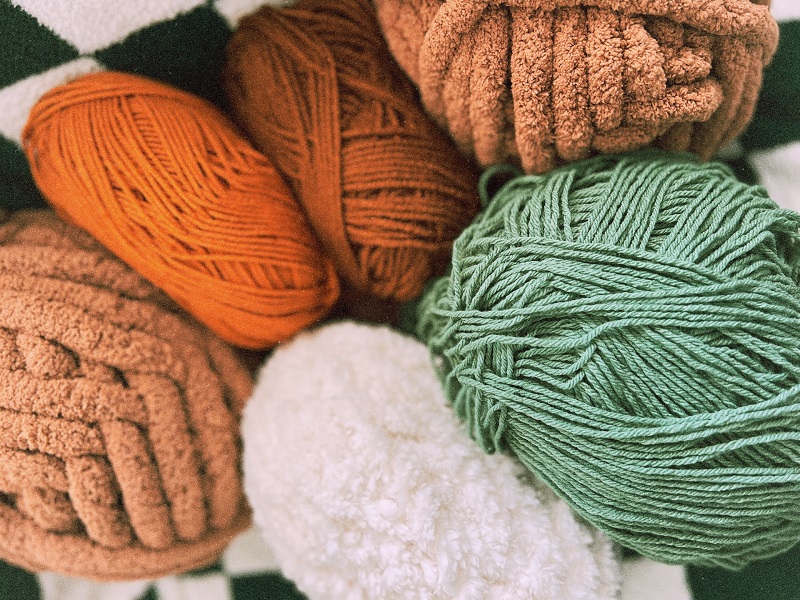
Knowing the materials that make up your rugs will assist you in making informed decisions about their placement in your home or office. Here is a brief overview of some of the most common fibers used in modern area rugs.
WOOL FIBER –

- All natural and also non-synthetic.
- The premiere fiber.
- Deep rich look and feel.
- Excellent resiliency and durability.
- Bounces back well after sitting chairs or furniture on it.
- Naturally stain resistant, making it good for families.
- Easy to clean.
- Very luxurious appearance.
- Pile can wear down after several years of use.
POLYPROPYLENE FIBER –
- Same as “olefin”, just a different name.
- Less expensive than nylon.
- Best stain and fade-resistant properties.
- Most commonly used fiber, also affordable.

NYLON FIBER –
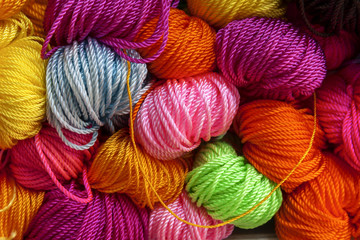
- One of the most popular fibers on today’s market.
- High performance and also durable.
- Stain and also fade-resistant.
- Less likely to mat down.
- Great for appearance retention.
- A slightly more expensive fiber.
POLYESTER FIBER –
- Inherently stain-resistant.
- Extremely fade-resistant.
- Good for showcasing color, also adds spice.
- More affordable option.
- Not as durable as nylon.
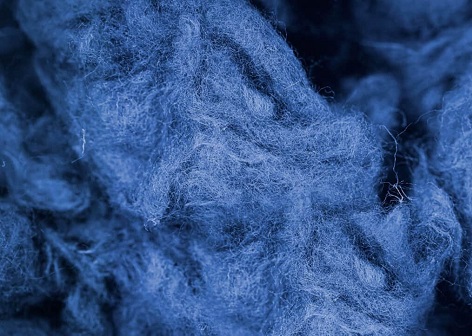
TRIEXTTA FIBER –
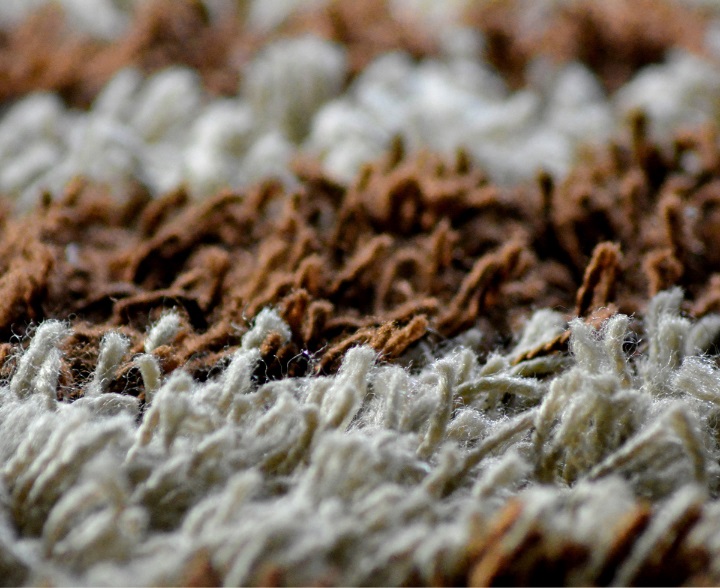
- Newest fiber in the industry.
- In the polyester family.
- More durable than conventional polyester fibers.
- Inherently stain-resistant.
Fiber aside, let’s talk about construction
Area rugs are created through various construction methods. While many manufacturers now use precise and efficient machine looms to produce their rugs, several popular types are still made by skilled artisans. These craftsmen have honed their techniques over many years and decades of practice.
When it comes to rug-making, using more yarn during construction results in a denser, stronger rug with a more precise pattern upon completion. Below is some additional information on each type of rug construction. This crucial information could significantly impact your home or office design.
Hand-knotted fiber and construction –
Hand-knotted rugs are made by artisans, using 100 percent wool. They wrap both the widthwise and lengthwise sections of wool yarn around each other to create specific knots.
Hundreds or thousands of these knots are in every square inch of the completed project, and rug makers can use more than a year’s worth of manpower hours to finish just one rug.
Though hand-knotted rugs are the most expensive option on today’s market, they often last for decades and all carry a rich history of their craftsmen.
Tufted and loop-hooked fiber and construction-

This type of rug construction features a wool yarn pushed through a fabric-like jute, then it is glued on the reverse side. The pile on the face of a tufted rug is cut. The more cut the pile is, the denser the surface of the rug. Loop-hooked rugs leave the face pile uncut. A secondary, fabric-like jute is then glued to the back of the tufted and loop-hooked rugs for strength, stability, and appearance.
Hand-hooked fiber and construction-
Also referred to as “flat-weave”, the hand-hooked rug is almost always made of wool. The yarn is woven around and through a cloth without knotting, which makes the end result reversible.
In Persian and Turkish cultures, this weaving technique produces what is known as a kilim. A kilim is a flat, tapestry-woven rug that has its roots in the Balkans, Turkic nations, and Iran, as well as other regions that were once part of the Persian Empire. Kilims can serve various purposes, such as prayer rugs or decorative pieces. In Western homes, contemporary kilims are frequently used as floor coverings.
Power-loomed fiber and construction-
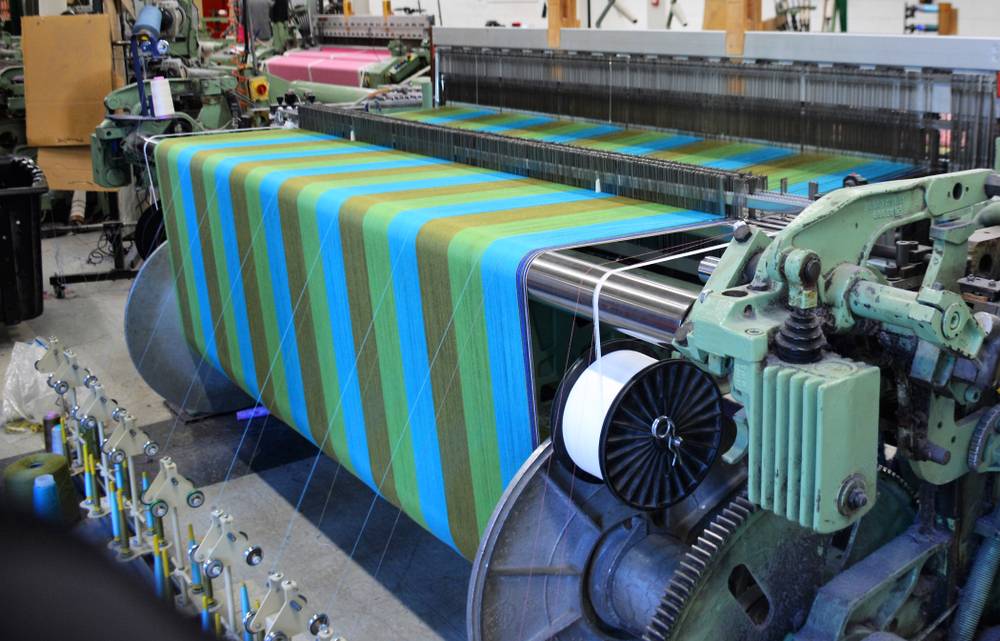
Power-loomed rugs are made using large machines that weave hundreds of yarns—typically made from polypropylene—through a series of needles. These power looms are computer-operated and apply a latex backing to each rug, enhancing its stability and durability.
As these power-loomed rugs continued to grow in volume and to expand rapidly in the source of production, their technological advances also grew rapidly to the point where now only an expert can determine a hand-knotted rug from a power-loomed just by looking at the topside of the rug.
Braided rug fiber and construction-
Although many contemporary braided rugs are made using machines that replicate the hand-braiding process, the traditional way of creating braided rugs involves hand-braiding fabric strips together.
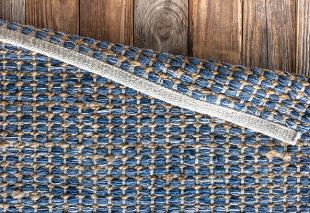
Typically composed of wool, braided rugs are always reversible. Originally produced for early colonial American homes, these rugs are durable, strong, and come in many different designs.
Wrapping it all up!
Knowing the specifics of how and where a rug was crafted will help when you’re searching for the perfect piece to complete your space. Use the info in this blog to help guide your next purchase, and go forth with the knowledge you need to make the right buy.

One Responseso far
I am proud to be part of such a great team!
Stephen C